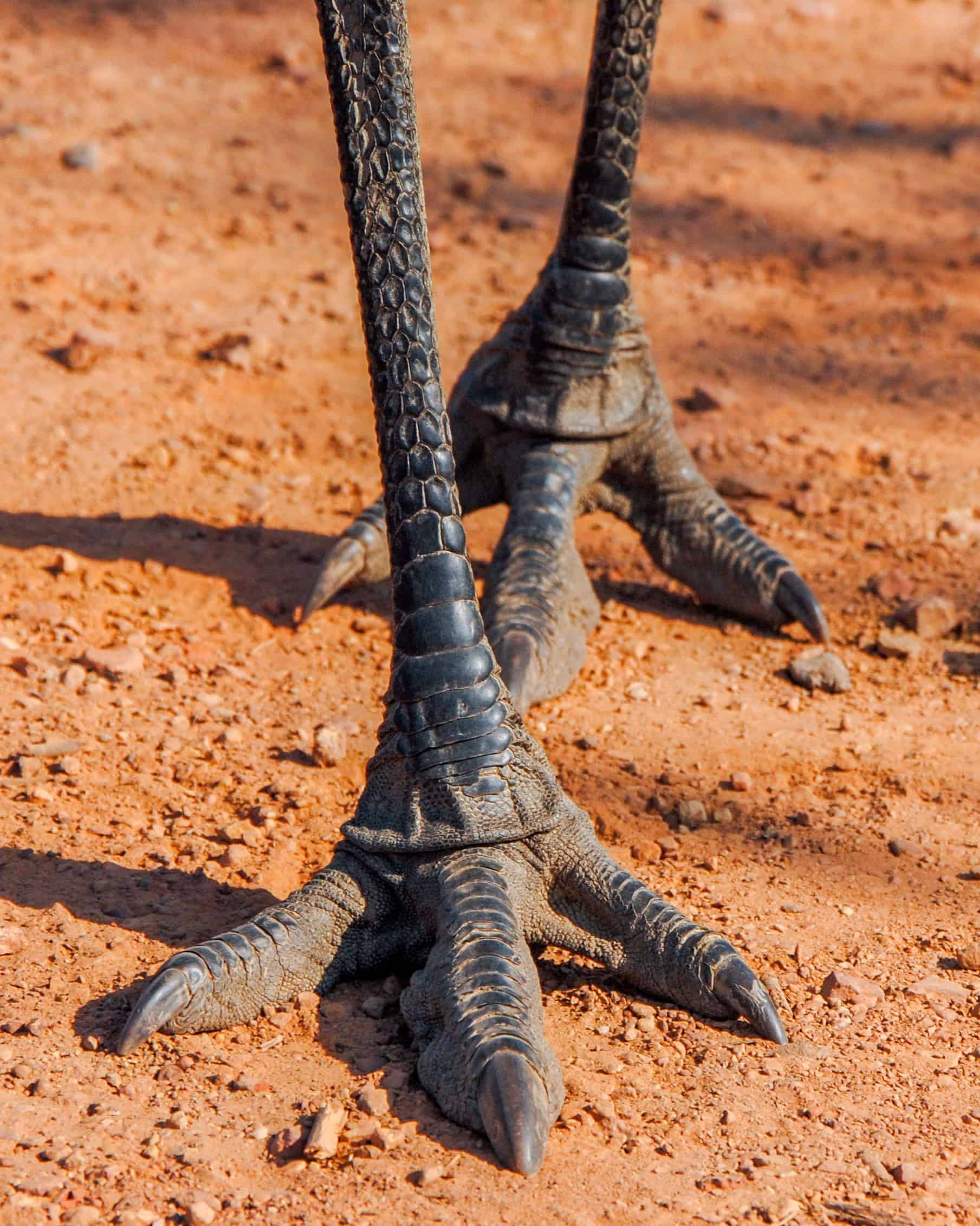

Ostriches are fascinating creatures known for their unique adaptations and impressive physical characteristics. One of the most striking features of these birds is their feet of ostrich, which are not only large but also incredibly powerful. Understanding the anatomy and functionality of ostrich feet provides insights into their survival strategies and evolutionary adaptations.
Anatomy of Ostrich Feet
The feet of ostrich are designed for speed and endurance, making them one of the fastest land animals. Each foot has two toes, which are essential for their agility and balance. The toes are connected by a strong tendon that allows for efficient movement. The powerful muscles in their legs and feet enable ostriches to run at speeds exceeding 70 kilometers per hour and cover vast distances with ease.
One of the most notable features of ostrich feet is their lack of feathers. This adaptation helps to reduce weight and improve aerodynamics, allowing them to move swiftly across the terrain. The scales on their feet provide additional protection and grip, making them well-suited for various environments, from deserts to grasslands.
Functionality and Adaptations
The functionality of ostrich feet is closely tied to their survival needs. These birds use their feet for more than just locomotion; they also use them for defense and foraging. When threatened, ostriches can deliver powerful kicks with their feet, which can be fatal to predators. This defensive mechanism is a crucial adaptation that helps them protect themselves and their young.
Ostriches also use their feet for digging and foraging. They can burrow into the ground to find water and roots, which are essential for their diet. The strong claws on their toes aid in this process, allowing them to excavate the soil efficiently. This behavior is particularly important in arid regions where water and food sources are scarce.
Evolutionary Significance
The evolutionary significance of ostrich feet lies in their role in the bird's overall survival strategy. Over millions of years, ostriches have evolved to become highly specialized runners, with their feet playing a pivotal role in this adaptation. The unique structure and functionality of their feet have allowed them to thrive in environments where other animals might struggle.
Ostriches are part of the ratite family, which includes other flightless birds like emus and kiwis. While these birds share some similarities, the feet of ostrich are particularly well-adapted for their specific ecological niche. The combination of speed, strength, and versatility in their feet has made ostriches one of the most successful large birds on the planet.
Comparative Analysis with Other Birds
When comparing the feet of ostrich to those of other birds, several key differences become apparent. Most birds have four toes, while ostriches have only two. This reduction in the number of toes is an adaptation that enhances their running ability. Additionally, the structure of their toes and the powerful muscles in their legs set them apart from other birds.
For example, birds like eagles and hawks have feet designed for grasping and hunting, with sharp talons and strong claws. In contrast, the feet of ostrich are built for speed and endurance, with a focus on efficient movement rather than grasping. This difference highlights the diverse adaptations that birds have developed to suit their specific ecological roles.
Behavioral Insights
The behavior of ostriches is closely linked to the functionality of their feet. These birds are known for their territorial behavior, and their powerful kicks are often used to defend their territory and young. During mating season, males use their feet to perform elaborate displays, showcasing their strength and agility to attract females.
Ostriches are also social animals, often living in groups called herds. Within these herds, the feet of ostrich play a crucial role in communication and social interactions. For example, males may use their feet to signal dominance or submission, while females may use them to indicate readiness for mating.
Health and Care
Understanding the health and care of ostrich feet is essential for those involved in ostrich farming or conservation efforts. Proper care of their feet can prevent injuries and ensure the overall well-being of the birds. Regular inspections and maintenance of their feet can help identify any issues early, allowing for timely intervention.
Some common issues that can affect ostrich feet include:
| Issue | Symptoms | Treatment |
|---|---|---|
| Bumblefoot | Swelling, redness, and lameness | Antibiotic treatment, foot soaks, and rest |
| Cracked Toes | Visible cracks, bleeding, and pain | Trimming, bandaging, and rest |
| Infections | Discharge, odor, and swelling | Antibiotic treatment and foot soaks |
📝 Note: Regular veterinary check-ups and proper nutrition are essential for maintaining the health of ostrich feet.
Conservation Efforts
Conservation efforts for ostriches often focus on protecting their natural habitats and ensuring their populations remain stable. The unique adaptations of their feet, including their speed and strength, make them well-suited for survival in various environments. However, human activities such as habitat destruction and hunting can pose significant threats to their populations.
Conservation organizations work to protect ostrich habitats and promote sustainable practices that benefit both the birds and local communities. By understanding the importance of ostrich feet in their survival, conservationists can develop strategies to safeguard these remarkable birds for future generations.
One of the key challenges in ostrich conservation is balancing the needs of the birds with the interests of local communities. In some regions, ostriches are hunted for their meat, feathers, and hides, which can lead to over-exploitation. Conservation efforts aim to promote sustainable hunting practices and alternative livelihoods that reduce the pressure on ostrich populations.
Education and awareness are also crucial components of ostrich conservation. By raising awareness about the unique adaptations and ecological importance of ostriches, conservationists can garner support for their protection. This includes educating local communities about the benefits of conserving ostrich habitats and promoting sustainable practices that support both the birds and human populations.
In addition to habitat protection and sustainable practices, conservation efforts also focus on research and monitoring. Scientists study the behavior, ecology, and genetics of ostriches to better understand their needs and develop effective conservation strategies. This research helps identify key threats to ostrich populations and inform management decisions that promote their long-term survival.
One of the most effective ways to conserve ostriches is through the establishment of protected areas. These areas provide a safe haven for ostriches, where they can thrive without the threat of hunting or habitat destruction. Protected areas also serve as important research sites, where scientists can study ostrich behavior and ecology in their natural habitats.
Collaboration between conservation organizations, local communities, and governments is essential for the success of ostrich conservation efforts. By working together, these stakeholders can develop comprehensive strategies that address the complex challenges facing ostrich populations. This includes promoting sustainable land use practices, reducing human-wildlife conflict, and ensuring the long-term viability of ostrich habitats.
In conclusion, the feet of ostrich are a remarkable adaptation that plays a crucial role in their survival and ecological success. From their powerful kicks to their efficient running ability, ostrich feet are essential for their defense, foraging, and social interactions. Understanding the anatomy, functionality, and evolutionary significance of ostrich feet provides valuable insights into the unique adaptations of these birds and the importance of conserving their habitats. By protecting ostrich populations and promoting sustainable practices, we can ensure that these remarkable birds continue to thrive for generations to come.
Related Terms:
- ostriches with only two toes
- ostrich foot tribe
- ostrich foot picture
- ostrich foot size
- ostrich leg anatomy
- common ostrich compared to human